Pre-Winter Septic Troubleshooting: Early Signs You Need Septic System Repair
What happens to shallow septic lines during a hard freeze? Apply these home maintenance tips and troubleshooting to protect your property before winter hits.
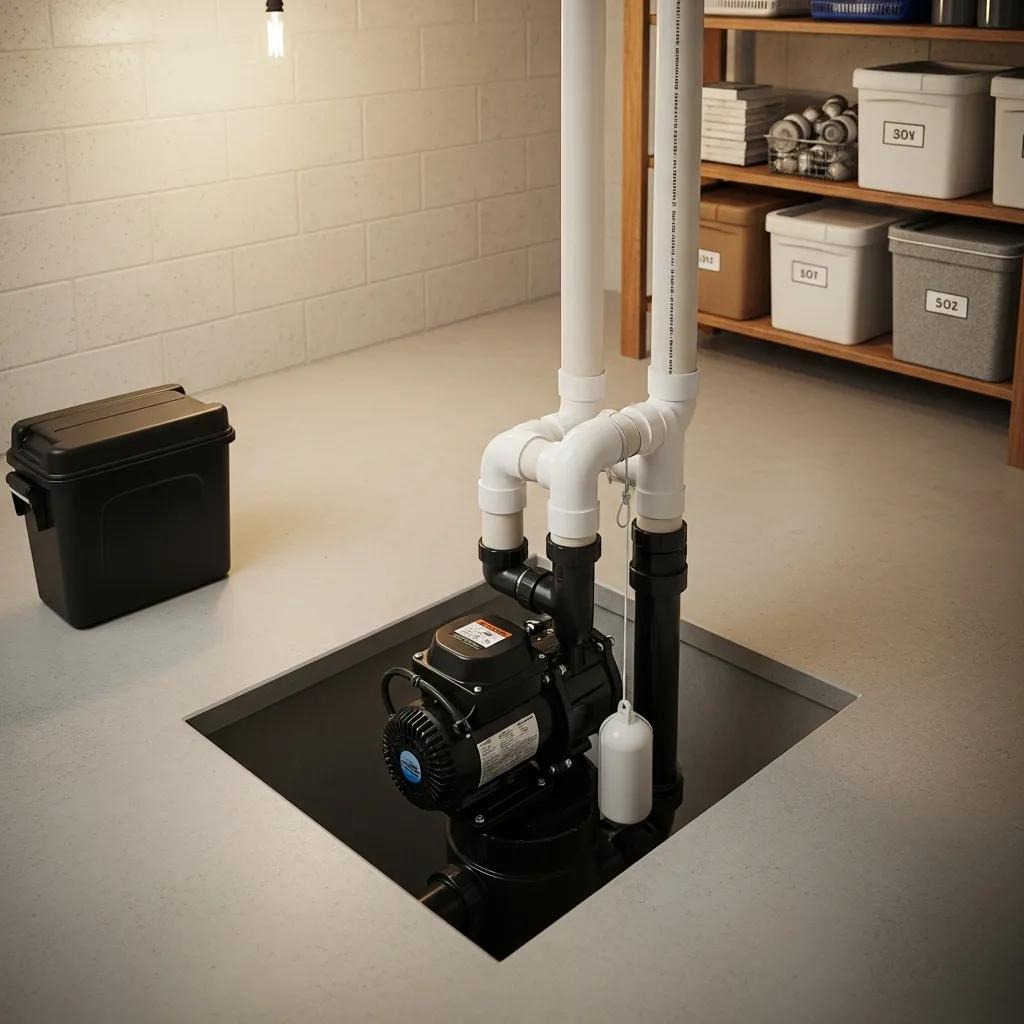
A working sump pump is the first defense against basement flooding and water damage. Regular care saves you money and stress when heavy rains or spring thaw hit. This guide walks you through how sump pump maintenance works, simple cleaning and inspection tasks you can do, common failure modes and how to troubleshoot them, plus what to expect for local service and costs in Lake County, IL. Many homeowners skip quick monthly checks that catch stuck float switches, clogged discharge lines, or dead backup batteries before they cause a problem. Below you’ll find a practical maintenance schedule tuned for local conditions, a clear DIY vs. professional checklist, step-by-step cleaning instructions with safety notes, and troubleshooting tips so you know when to call a technician. We also cover typical Lake County costs and a short decision checklist for scheduling service. Read on for plain, actionable steps and warning signs that need immediate attention.
Keep a simple cadence—monthly, quarterly, and annual checks—to catch wear and weather-related issues before they become failures. How often you inspect depends on your pump type and local conditions: heavy runoff or a high water table means more frequent cycling and shorter inspection intervals. A routine schedule helps you notice gradual problems like a weakening motor or a sticky float switch that can lead to constant running or failure when you need the pump most. The sections below explain recommended intervals and why regular care matters for flood prevention and equipment life.
Monthly checks confirm the pump starts and the float moves freely, preventing small problems from becoming big ones. A quick monthly routine should include a visual look inside the pit, a manual test by pouring a bucket of water in to trigger the pump, and checking the outside discharge point to ensure water is leaving the property. Quarterly tasks add light cleaning of visible debris, a check of the check valve for leaks, and a look at exterior discharge lines to prevent freezing or clogging in cold months. Annual maintenance is best done by a pro and should include motor testing, amperage checks if needed, wiring inspections, and a battery backup evaluation — this level of review lowers the chance of surprises during high-demand periods.
Regular maintenance stops the most common failure causes—clogged intakes, stuck floats, frozen or blocked discharge lines, and dead battery backups—each of which can lead to avoidable basement flooding. Preventive care preserves pump capacity and extends service life by keeping the impeller and inlet clear of grit, silt, and debris that wear parts and reduce flow. Lake County sees spring runoff and occasional heavy storms, so consistent checks often mean the difference between a dry basement and expensive water damage. Doing routine checks plus an annual professional inspection is the practical path to reliable flood protection.

A good checklist groups tasks by how often they should be done and clearly shows which items you can safely handle and which are best left to a professional.
The checklist covers core parts—float switch, check valve, discharge line, motor and impeller, sump pit condition, and battery backup—and assigns who typically handles each task and how often.
Below is a concise table comparing each component, what to inspect, recommended frequency, and whether it’s typically a DIY task or a job for a pro.
This summary makes it easy to track maintenance responsibilities at a glance.
Most frequent checks are simple DIY steps. Motor and electrical inspections usually need a technician’s tools and experience.
Monthly checks are quick and reveal early warning signs. Start with a visual pit inspection and remove loose debris or sediment that could clog the inlet. Next, perform a test run by pouring a bucket of water into the pit and watching the pump activate and discharge. Make sure the float switch moves smoothly and the power cord is not snagged. Check the exterior discharge outlet for free flow and obvious blockages or ice. Log each check date to track trends like increased cycling or slower pumping—those patterns point to deeper issues that quarterly work will address.
Quarterly tasks focus on cleaning and minor adjustments and keeping the discharge path clear and freeze-protected. Clear settled silt from the pit, verify the check valve works, and confirm the discharge piping and outside termination are unobstructed—this reduces stress on the pump and prevents backflow. Annually, have a technician inspect wiring, measure motor draw when needed, test battery backups under load, and check pump sizing versus groundwater inflow. Quarterly records help the technician zero in on problems and avoid unnecessary replacement.
Safe cleaning means cutting power, removing and inspecting the unit and impeller, and disinfecting the pit to prevent buildup that can affect performance. Cleaning improves flow, lowers motor strain, and keeps the float working freely—important when heavy inflow arrives. Before you clean, follow electrical safety steps and have gloves, eye protection, and basic tools ready. The safety checklist and step-by-step instructions below outline a careful process for homeowners and note when calling a pro is the safer choice.
Safety first: always shut off electrical power and disconnect any battery backup before opening the sump pit. Wear protective gloves and eye protection, and avoid standing in water while working on electrical parts. If you see corroded wiring or smell burning from the motor, stop and call a professional right away. Work in a well-ventilated area when cleaning to avoid breathing stale odors or airborne particles, especially if the pit has organic sludge. These steps protect you and your equipment and set you up for safe cleaning.
Use a clear sequence: shut off power, remove the pump, clean and inspect parts, then reassemble and test. First, disconnect power and the battery backup, then lift the pump from the pit and rinse loose sediment with a hose. Check the impeller for entanglement or damage and clear any debris from the inlet screen. Clean and disinfect pit walls and base, inspect the discharge and check valve for blockages, and re-seat the pump so the float has full range. Reconnect power and run a test cycle by pouring water into the pit. If you find corroded wiring, a seized shaft, or a motor that draws excessive current, stop and have a professional handle repairs rather than continuing DIY disassembly.
Common issues include pumps that run constantly, won’t start, make noise, have clogged discharge lines, suffer frozen external piping, or have battery backup failures. Start troubleshooting by identifying the symptom, checking power and the float, inspecting discharge and check valve, and testing the battery backup. Many simple failures can be fixed safely at home; the table below pairs problems with likely causes, DIY fixes, and clear signs you should call a pro.
Use this table to prioritize quick DIY actions and to spot when a technician’s diagnosis is needed. Below are more details for two common concerns: constant running and unusual noises.
Constant running usually comes from a stuck or misadjusted float, a leaking or failed check valve that allows water back into the pit, or a pump that’s not sized for the groundwater inflow. First, look for a tangled float and clear any debris. Check the check valve—if water returns to the pit after the pump turns off, the valve may be failing. If the pump runs nonstop during wet seasons or seems mismatched to inflow, call a professional to check pump sizing and installation. Persistent continuous run reduces motor life, so diagnose promptly to decide between a simple fix and a technician’s assessment.
Rattling, grinding, or humming often means physical damage like an impeller blockage, worn bearings, or a seized shaft. Humming without rotation suggests a motor issue or binding. Start with a safe visual inspection: disconnect power, lift the pump, inspect the impeller and shaft for free movement, and remove any debris. If sounds continue after cleaning, or the motor hums and won’t turn when power is reconnected, internal components may have failed and professional repair or replacement is likely needed. Addressing these signs quickly helps avoid sudden pump loss during heavy water events.
Contact a professional when checks reveal electrical faults, motor failure, continuous running after basic troubleshooting, visible corrosion on wiring, or when you need a reliable assessment of pump sizing and battery backup capacity. Emergency situations—power loss during heavy rain, a burnt electrical smell, or a pump that won’t restart after testing—need immediate professional attention because they risk rapid basement flooding and safety hazards. Schedule professional inspections for preventive assurance, battery-backup certification, or help deciding between repair and replacement. The sections below list clear symptoms and explain how a local provider supports homeowners with prompt, customer-focused service.
Call a pro if the motor won’t start or trips breakers, if short cycling keeps happening after checking the float and check valve, if you smell burning that signals electrical overheating, if wiring or terminals are visibly corroded, or if a battery backup won’t hold load during a test. If you detect burning or smoke, shut off power immediately and don’t run the pump until a technician checks electrical safety. For frequent cycling, note how often it occurs to help the technician’s diagnosis. Pros can run load tests, measure amperage, and calculate proper pump sizing to decide whether repair or replacement is the best long-term solution.
Countryside Plumbing Sewer and Septic is a Lake County company that offers sump pump installation, maintenance, and repair. We bring local knowledge, broad service capabilities (plumbing, sewer, septic, HVAC, electrical), clear pricing, and fast scheduling. For homeowners around Antioch and the surrounding area, our technicians understand local water-table patterns, seasonal runoff, and common installation challenges like discharge routing and freeze protection. Need an inspection, maintenance visit, battery-backup test, or a new installation? Contact Countryside Plumbing to connect with a team that offers scheduled and emergency service and clear next steps for repairs or upgrades.
These decision points help you know when to troubleshoot yourself and when to bring in a professional to protect your basement from avoidable flooding.
Following this schedule and acting on red flags reduces flood risk and extends pump life while reserving pro service for technical or hazardous situations.
Regular sump pump maintenance is the best way to avoid costly basement flooding and to keep your home protected during heavy rains. Follow a simple monthly, quarterly, and annual routine, act quickly on warning signs, and call a professional when electrical or motor faults appear. For local help tailored to Lake County conditions, reach out to experienced technicians who know the area and can give clear, practical recommendations. Use the steps in this guide to keep your sump pump reliable and your basement dry.
See why homeowners trust us for reliable, responsive service and lasting plumbing solutions.

Jordan and his team are very responsive and helpful with all questions and issues related to our septic system. I can reference them with the highest regards!
Jordan is a great guy who seems to genuinely care about delivering quality work. Not only did he fix the problem quickly and efficiently, but also pointed out that the ejector pump in my basement had installed the wrong kind and that there were some other parts used that are not up to code.
Had a great experience with Countryside. Called with a fairly urgent issue and Jordan was responsive and out the house fast. Spent hours diagnosing my problem. Prices were competitive and he took the time to explain the situation and options. Highly recommend.
I reached out to Countryside this past June when the pipe from my house to the septic tank broke. Jordan responded to my call quickly, gave me a very reasonable quote, and immediately fit me into his schedule- which I was extremely thankful for because my yard was getting pretty smelly. Jordan is an expert in his field.
Jordan and his crew at Countryside just installed and hooked up a new septic tank for us. We could not be happier with the result! They are professional, easy to talk to, and kind. We highly recommend them,
Jordan and his team are very responsive and helpful with all questions and issues related to our septic system. I can reference them with the highest regards!
Jordan is a great guy who seems to genuinely care about delivering quality work. Not only did he fix the problem quickly and efficiently, but also pointed out that the ejector pump in my basement had installed the wrong kind and that there were some other parts used that are not up to code.
Had a great experience with Countryside. Called with a fairly urgent issue and Jordan was responsive and out the house fast. Spent hours diagnosing my problem. Prices were competitive and he took the time to explain the situation and options. Highly recommend.
I reached out to Countryside this past June when the pipe from my house to the septic tank broke. Jordan responded to my call quickly, gave me a very reasonable quote, and immediately fit me into his schedule- which I was extremely thankful for because my yard was getting pretty smelly. Jordan is an expert in his field.
Jordan and his crew at Countryside just installed and hooked up a new septic tank for us. We could not be happier with the result! They are professional, easy to talk to, and kind. We highly recommend them,
Jordan and his team are very responsive and helpful with all questions and issues related to our septic system. I can reference them with the highest regards!