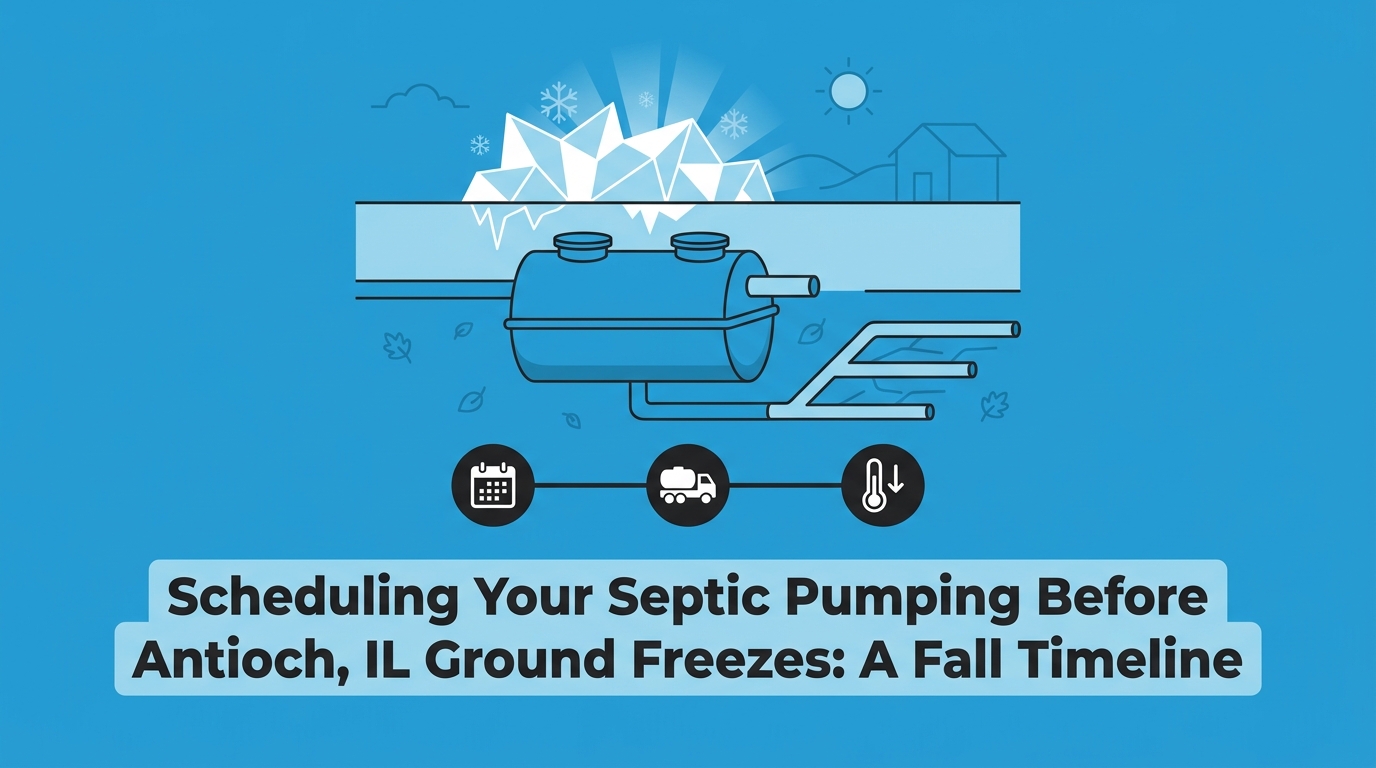
Pre-Winter Septic Troubleshooting: Early Signs You Need Septic System Repair
What happens to shallow septic lines during a hard freeze? Apply these home maintenance tips and troubleshooting to protect your property before winter hits.
You are running your irrigation zones for hours to keep the grass green, but when you step inside to take a shower, the water pressure is barely a trickle. Or perhaps you notice a strange, soggy patch forming in the middle of your lawn that never seems to dry out. The hidden impact of constant sprinkler use on your home's main water line is a mechanical reality most property owners overlook until a massive puddle forms in the yard. At Countryside Plumbing Sewer and Septic, our team fields countless calls during a July peak summer dry spell from Antioch homeowners who assume they just have a broken sprinkler head. However, we consistently find that this is frequently the very first warning sign of a failing main water supply line.
Understanding the difference between a simple irrigation glitch and a major underground failure can save your property from extensive water damage. If you are dealing with unexplained pressure drops or constant yard flooding, reaching out for professional plumbing services is the safest way to diagnose the true source of the problem.
Your main water line is responsible for delivering every drop of water your household consumes. Under normal conditions, this flow is intermittent. You wash a load of laundry, run the dishwasher, or take a quick shower, and the pipe gets a rest. But when the temperatures spike, your lawn requires intense, sustained watering to survive. This changes the physical dynamics inside your underground plumbing.
Instead of brief periods of water flow, your main line is suddenly forced to carry maximum capacity for hours at a time. This sustained demand acts as a severe stress-test for aging infrastructure. Minor vulnerabilities that have been quietly developing for years are suddenly pushed past their breaking point, turning what seemed like a routine lawn care schedule into a plumbing emergency.
To understand why heavy watering causes pipes to fail, you have to look at the physical forces at play inside the plumbing itself. When you run an irrigation system during a July peak summer dry spell, residential water use can increase by 50 to 70 percent. This massive spike places maximum load directly on your main supply line, generating significant hydrodynamic stress.
Hydrodynamic stress refers to the intense physical friction and velocity created when high volumes of water are forced through a pipe continuously. When water flows rapidly for hours on end, it creates constant vibration and inward pressure against the pipe walls. For a brand-new installation, this is rarely an issue. However, for older pipes, this sustained pressure is highly destructive.
Most underground pipes do not fail spontaneously. They weaken gradually over time. Tiny micro-fractures often develop along joints or weak points in the material. Under normal, intermittent use, these tiny flaws might never leak enough to be noticed. But when continuous high-volume water flow increases the velocity and friction within the system, those existing micro-fractures are forced open.
The constant, heavy flow acts as a wedge, expanding small cracks until the pipe material simply gives way. Once a full break occurs, thousands of gallons of water can escape into the surrounding dirt before you even realize there is a problem. If you suspect that hydrodynamic stress has compromised your underground plumbing, scheduling professional sewer and water line repair is critical to restoring safe, reliable flow to your home.
The water flowing inside the pipe is only half of the equation. The environment surrounding the pipe plays an equally vital role in its structural integrity. Take a walk through many Antioch, IL residential yards during a heatwave, and you will see the ground cracking, hardening, and pulling away from sidewalks and foundations. This same process is happening deep underground, directly affecting your main water line.
The intense summer heat of Antioch, IL causes widespread soil desiccation. In our years of excavating and repairing local utility lines, the team at Countryside Plumbing Sewer and Septic has seen exactly how this baked earth physically shrinks, cracks, and shifts away from underground infrastructure. As the moisture evaporates from the earth during peak summer heat, the ground retracts, drastically altering the environment around your plumbing.
Underground pipes rely on the compacted soil around them for structural support. When the earth dries out and shifts away, it leaves the main water line suspended in empty voids. The pipe is now bearing its own weight, plus the heavy, vibrating weight of maximum water volume rushing through it for hours during irrigation cycles.
This dangerous combination of unsupported, shifting pipes carrying maximum water volume is exactly what triggers sudden breaks. The pipe simply cannot withstand the physical load without the earth there to brace it. Recognizing the signs of shifting soil and unexplained yard moisture early on is essential. When these environmental factors lead to pipe failure, securing expert plumbing repair in Antioch ensures the line is excavated, stabilized, and replaced correctly.
When a massive puddle forms in the grass, the immediate assumption is usually a broken sprinkler head or a cracked irrigation line. Distinguishing between a minor landscaping issue and a catastrophic main line failure is a vital skill for any homeowner. In many Antioch, IL residential yards, a localized sprinkler leak looks very different from a main supply break once you know exactly what to look for.
The easiest way to determine the source of the leak is to observe how the water behaves when different systems are turned on and off. Use this simple comparison to narrow down the culprit:
• Timing of the Puddle — Sprinkler System Leak: Pooling only occurs when that specific irrigation zone is actively running. — Main Water Line Leak: The soggy patch remains constantly wet, even when the sprinklers have been off for days.
• Indoor Water Pressure — Sprinkler System Leak: Indoor pressure remains completely normal when you turn on a faucet. — Main Water Line Leak: Persistent, noticeable drop in indoor water pressure throughout the entire house.
• Location of the Water — Sprinkler System Leak: Highly localized, usually bubbling up directly around a specific sprinkler head. — Main Water Line Leak: Broad, deep muddy areas that may span across the yard between the street and the house.
• Water Meter Activity — Sprinkler System Leak: The meter stops spinning completely when all indoor fixtures and sprinklers are off. — Main Water Line Leak: The meter continues to run and record usage even when every fixture and system is shut down.
Checking your water meter is the definitive test. Make sure your washing machine, dishwasher, faucets, and irrigation controller are completely turned off. If the dial on your water meter is still moving, water is actively escaping somewhere between the street and your home.


When the shower pressure drops to a trickle on a hot afternoon, it is very common to assume the city is at fault. While municipal systems do experience high demand during a July peak summer dry spell, severe pressure drops isolated to a single home usually indicate a private plumbing failure.
Your main water line is a pressurized, closed loop from the municipal connection to your indoor fixtures. When a fracture opens up in that line, the pressurized water takes the path of least resistance—which is out into the dirt. A failing main line diverts massive amounts of volume before it ever reaches the interior plumbing of your home. The city might be supplying perfectly adequate pressure to your property line, but that pressure is bleeding out into the soil beneath your lawn.
It is also important to distinguish between a main line supply issue and an interior drainage issue. If your water pressure is low, the problem is on the supply side. If your sinks are backing up or draining slowly, the problem is on the wastewater side. Interior clogs and blockages require professional drain cleaning to clear out debris, but they will not cause your incoming water pressure to drop. If you turn on a faucet and barely anything comes out, the supply line is the primary suspect.
The cumulative daytime stress on pipes beneath Antioch, IL residential yards often leads to catastrophic failures long after the sun goes down. Pipes weakened by hours of daytime irrigation stress rarely burst the moment you turn the sprinklers off. Instead, the intense friction and pressure compromise a joint or expand a micro-fracture, leaving the pipe barely holding together.
Hours later, as the municipal water pressure normalizes in the evening, that weakened point finally gives way. Water damage does not adhere to standard business hours, and a compromised main line can quickly turn into a flooded basement or cellar while you are sleeping. Our emergency dispatch team at Countryside Plumbing Sewer and Septic frequently sees this exact pattern. One local Antioch homeowner experienced a similar late-night emergency when they discovered water rapidly filling their basement. They reached out to us immediately, and our technicians arrived late at night to install a new sump pump, effectively managing the flooding so the underlying issues could be addressed.
If you experience a sudden burst or notice water encroaching on your basement walls in the middle of the night, the first and most critical step is to locate and shut off your home's main water valve to stop the flow. Knowing the right steps for handling a late night plumbing issue can mean the difference between a simple cleanup and thousands of dollars in structural damage.
Trying to guess where a pipe is leaking during a July peak summer dry spell is a recipe for destroying your entire lawn. Excavating a yard blindly is expensive, messy, and entirely unnecessary with modern technology. Diagnosing underground main line issues requires specialized equipment and licensed expertise to ensure local code compliance.
Working with field-tested, local professionals ensures accurate diagnostics. At Countryside Plumbing Sewer and Septic, our technicians already understand how severe summer soil desiccation in the Antioch area stresses aging infrastructure. Here is how our team pinpoints the problem without tearing up your property:
1. Non-Invasive Acoustic Leak Detection: Technicians use highly sensitive acoustic listening devices to hear the exact frequency of pressurized water escaping underground. This allows them to trace the path of the pipe and find the exact source of the leak through layers of dirt and concrete.
2. System Pressure Testing: By attaching pressure gauges to the main line, plumbers can measure the exact rate of pressure loss. This confirms whether there is a leak on the supply side and helps determine the severity of the break.
3. Targeted Excavation Planning: Pinpointing the exact location of the leak is crucial before any digging begins. Once the leak is mapped, technicians can perform a targeted excavation, disturbing only the small area of soil necessary to reach the broken pipe section.
4. Code-Compliant Repair or Replacement: Depending on the age and material of the pipe, the damaged section is either repaired with heavy-duty sleeves or the line is replaced entirely using trenchless technology or traditional methods, all strictly adhering to local municipal codes.
Navigating a July peak summer dry spell requires more than just keeping the grass watered. Understanding the mechanics of high-volume irrigation helps homeowners catch minor leaks before they become major breaks. The combination of intense hydrodynamic stress from continuous water flow and the loss of structural support from dry, shifting soil creates the perfect storm for underground pipe failure.
The best defense against a sudden plumbing disaster is proactive monitoring. Keep a close eye on your monthly water bills for unexplained spikes, watch your yard for constantly soggy patches even when the sprinklers are off, and pay attention to any persistent drops in your indoor water pressure. If you notice any of these warning signs, consulting a professional can provide the peace of mind you need. Getting an expert diagnosis early ensures you understand exactly how high-volume irrigation stresses the main line, allowing you to secure reliable repairs before a minor leak turns into a flooded basement.
Can running sprinklers cause low water pressure in the house?
Yes, running your irrigation system can cause a temporary drop in indoor water pressure. Because sprinklers demand a high volume of water, they pull heavily from your home's main supply line. If your indoor pressure drops significantly and stays low even after the sprinklers turn off, it usually indicates a leak or blockage in the main line.
How do I know if my main water line is leaking?
The most definitive sign of a main water line leak is a continuously running water meter when all fixtures are turned off. You may also notice persistent, unexplained soggy patches in your yard, a sudden spike in your monthly water bill, or a permanent drop in your home's overall water pressure. If you observe these symptoms, professional acoustic leak detection is required.
Why is my yard soggy when the sprinklers are off?
A yard that remains constantly soggy when the irrigation system is disabled is a strong indicator of an underground plumbing failure. While it could be a leaking valve in the sprinkler system itself, deep, muddy pooling that never dries out often points to a fractured main water line leaking pressurized water directly into the soil.
Does a sprinkler system connect directly to the main water line?
Yes, a residential sprinkler system taps directly into your home's main water supply, usually branching off just after the water meter. This is why heavy irrigation places so much demand on the primary pipe. Any failure in the main line before this connection point will severely impact both your indoor plumbing and your outdoor irrigation performance.
How quickly can a micro-leak in a main water line turn into a full burst?
A micro-leak can escalate into a full burst rapidly, sometimes within a few days or weeks, depending on the stress levels. When continuous, high-volume water flow increases velocity and friction, the constant outward pressure forces small cracks to expand. Environmental factors like dry, shifting soil can accelerate this process by removing structural support from the pipe.
What diagnostic tools do plumbers use to find underground water line leaks?
Professional plumbers rely on non-invasive technology, primarily acoustic leak detection equipment, to find underground breaks. These highly sensitive listening devices allow technicians to hear pressurized water escaping through the soil. They also use specialized pressure gauges to measure the exact rate of pressure loss, ensuring they can pinpoint the damage without destroying your entire yard.
See why homeowners trust us for reliable, responsive service and lasting plumbing solutions.

Jordan and his team are very responsive and helpful with all questions and issues related to our septic system. I can reference them with the highest regards!
Jordan is a great guy who seems to genuinely care about delivering quality work. Not only did he fix the problem quickly and efficiently, but also pointed out that the ejector pump in my basement had installed the wrong kind and that there were some other parts used that are not up to code.
Had a great experience with Countryside. Called with a fairly urgent issue and Jordan was responsive and out the house fast. Spent hours diagnosing my problem. Prices were competitive and he took the time to explain the situation and options. Highly recommend.
I reached out to Countryside this past June when the pipe from my house to the septic tank broke. Jordan responded to my call quickly, gave me a very reasonable quote, and immediately fit me into his schedule- which I was extremely thankful for because my yard was getting pretty smelly. Jordan is an expert in his field.
Jordan and his crew at Countryside just installed and hooked up a new septic tank for us. We could not be happier with the result! They are professional, easy to talk to, and kind. We highly recommend them,
Jordan and his team are very responsive and helpful with all questions and issues related to our septic system. I can reference them with the highest regards!
Jordan is a great guy who seems to genuinely care about delivering quality work. Not only did he fix the problem quickly and efficiently, but also pointed out that the ejector pump in my basement had installed the wrong kind and that there were some other parts used that are not up to code.
Had a great experience with Countryside. Called with a fairly urgent issue and Jordan was responsive and out the house fast. Spent hours diagnosing my problem. Prices were competitive and he took the time to explain the situation and options. Highly recommend.
I reached out to Countryside this past June when the pipe from my house to the septic tank broke. Jordan responded to my call quickly, gave me a very reasonable quote, and immediately fit me into his schedule- which I was extremely thankful for because my yard was getting pretty smelly. Jordan is an expert in his field.
Jordan and his crew at Countryside just installed and hooked up a new septic tank for us. We could not be happier with the result! They are professional, easy to talk to, and kind. We highly recommend them,
Jordan and his team are very responsive and helpful with all questions and issues related to our septic system. I can reference them with the highest regards!